

Prayer Resources for Church Leaders
By Hannah M. Abara / Nov 22
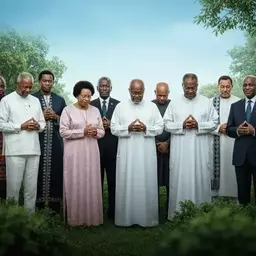
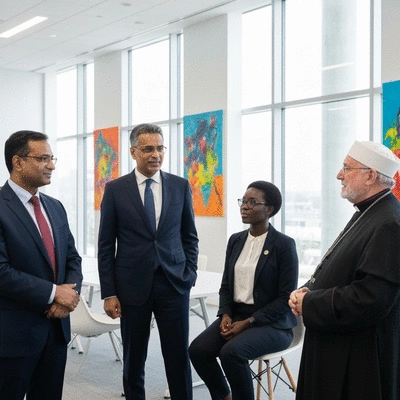
As we reflect on the profound impact of faith in leadership, consider how spiritual beliefs can guide leaders in their decision-making and influence communities. Faith is more than a personal journey; it's a powerful tool for promoting ethical leadership and social change.
This visual outlines the core components and impacts of faith in leadership, categorized into three key areas: Understanding the Intersection, The Role of Prayer, and Spiritual Influence. For a deeper dive into how faith can inspire impactful leadership, explore inspiring leaders in prayer.
Values-driven decisions
Inclusive leadership
Vision for the future
Seeking divine guidance
Building community through prayer
Instilling hope during crises
Encouraging social justice
Promoting education
Fostering resilience
Faith Enhances Decision-Making
Community Engagement
Resilience in Adversity
Social Justice Advocacy
As we navigate the complexities of our world today, the significance of faith in leadership emerges as a guiding light. Many leaders across various regions draw upon their faith to shape their decisions and influence their followers. This intersection of religion and leadership not only impacts governance but also molds the cultural fabric of communities worldwide. In this section, we will explore how faith influences leadership styles, the role of prayer in guiding leaders' actions, and the spiritual influence of faith leaders on their communities.
Faith plays a critical role in shaping leadership styles and decision-making processes across diverse cultures. Leaders who embody their beliefs often inspire trust and loyalty among their followers. They don't just lead with strategies; they lead with purpose and conviction. Here are a few key points illustrating this intersection:
When leaders embrace their faith openly, they foster an environment where shared values unite their teams. This often leads to a more cohesive and motivated group, ready to tackle challenges together. Have you ever experienced the power of shared faith in a leadership context? It can truly transform the dynamics within any organization.
Prayer serves as a vital cornerstone in the leadership journey. For many leaders, it is not merely a personal practice; it is a communal effort that galvanizes their supporters. The act of praying can guide leaders in crucial decisions, providing clarity and wisdom during challenging times. Here are some essential aspects of this role:
Through prayer, leaders not only seek personal strength but also inspire those around them to engage in a collective journey of faith. As someone committed to interceding for leaders worldwide through the Presidential Prayer Watch, I understand the profound impact prayer can have on leadership and community cohesion. Discover more about the impact of communal prayer on community.
Faith leaders wield significant influence over community values and behaviors. They often act as moral compasses, guiding their followers towards ethical living and social responsibility. The ways in which these leaders shape their communities can be profound:
By instilling a sense of purpose and direction, these leaders create environments where community members feel empowered to contribute positively. As we reflect on their roles, let's consider how we can also support such transformative leadership and foster unity through prayer within our own communities.
Did you know? Integrating moments of reflection and prayer into your daily leadership routine can significantly enhance your decision-making process. By taking a few minutes each day to meditate on your goals and seek guidance, you not only nurture your spiritual well-being but also empower your leadership capabilities. Consider setting aside time each morning to align your intentions with your faith before diving into your responsibilities.
Faith often provides leaders with a strong moral compass and a framework of values, guiding them to make ethical and purpose-driven decisions that prioritize the well-being of their community or organization.
For many faith-driven leaders, prayer is a vital practice for seeking divine guidance, gaining clarity, and finding strength during challenging times. It can also foster unity and hope within their communities.
Faith leaders often serve as moral guides, encouraging social justice, promoting education, and fostering resilience. They empower community members to contribute positively and provide support during crises.
Yes, many faith leaders leverage their spiritual beliefs to advocate for fairness and equality, mobilizing their communities to address critical societal issues and inspire meaningful social change.
Integrating faith into leadership can lead to values-driven decisions, inclusive leadership, a clear vision for the future, enhanced resilience in adversity, and a strong commitment to social justice advocacy.
As we reflect on the significance of faith in leadership, it's clear that the intertwining of spiritual beliefs and leadership actions creates a pathway for transformative change. Throughout our exploration, we’ve seen how leaders across cultures harness their faith to guide their decisions, inspire their followers, and shape their communities. By understanding this dynamic, we can appreciate the profound impact that prayer and spiritual guidance have on the effectiveness of leaders.
It’s essential to recognize that faith is not merely a personal journey; it is a catalyst for leadership excellence. As we analyze the leadership styles of influential prayer leaders, we see recurring themes that resonate across borders. These include the commitment to integrity, the embrace of community values, and the willingness to act with compassion. Each of these elements plays a vital role in fostering a culture of responsible governance and ethical leadership.
Let’s distill some key insights from our discussions that are particularly relevant for today’s leaders:
These insights are not just theoretical; they can practically guide any leader seeking to make a meaningful impact in their organization or community. As I’ve witnessed through my experiences with the Presidential Prayer Watch, prayer can be a powerful tool in shaping the decisions of those in authority. For more resources on how to effectively pray for leaders, consider exploring praying for political leaders effectively.
I invite you to reflect on how these insights can be integrated into your own leadership journey. Consider these questions:
By contemplating these questions, you are not only enhancing your leadership capabilities but also contributing to a broader culture of faith-driven leadership. I encourage you to take the next step in your leadership journey by seeking opportunities for collaboration and growth.
Your thoughts and experiences matter! I invite you to share your insights on the role of faith in leadership. Whether you’re a seasoned leader or just beginning your journey, your voice can enrich our understanding and foster a deeper connection within our community. What practices do you implement to ensure your faith informs your leadership? How have you seen the impact of prayer in your own leadership experiences? Let’s engage in this conversation and build a community committed to uplifting leaders through prayer and faith-based initiatives! To join a broader movement, learn how to join global prayer for leaders.
Here is a quick recap of the important points discussed in the article:
By Hannah M. Abara / Nov 22
By Hannah M. Abara / Nov 19
By Hannah M. Abara / Nov 15