
Prayer Resources for Church Leaders
By Hannah M. Abara / Nov 22
As we reflect on the intersection of faith and governance, consider this: When leaders gather in prayer, they not only seek divine guidance but also cultivate a stronger bond with their communities. What insights might we uncover about the transformative power of prayer in political leadership?
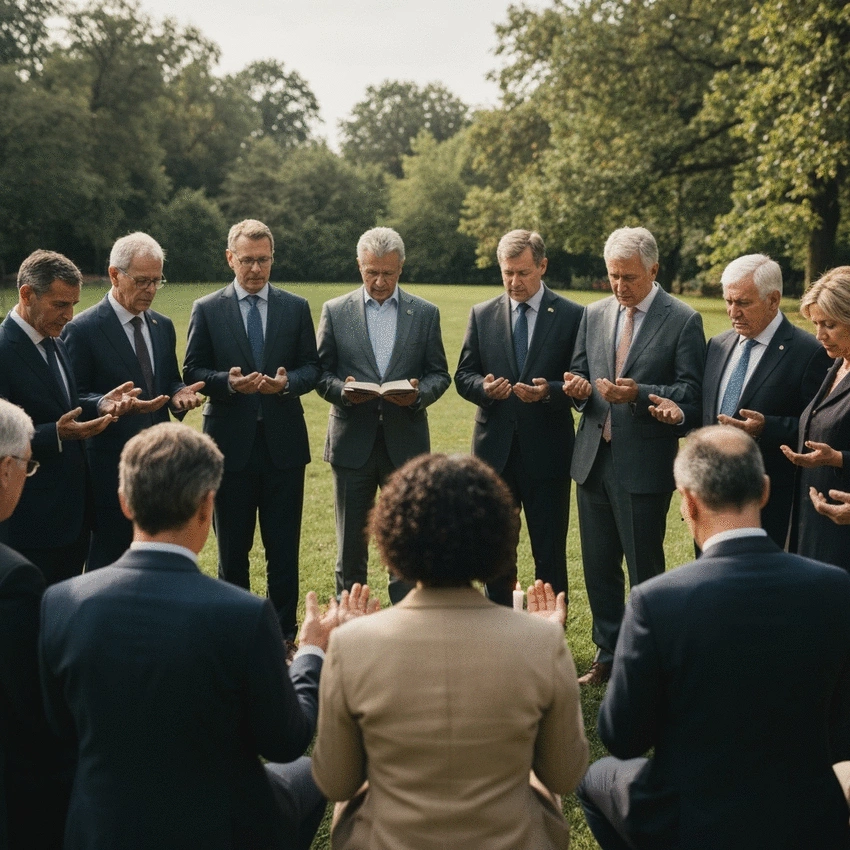
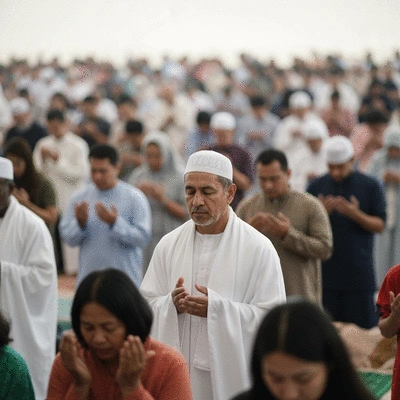
This visual explores the multifaceted impact of prayer events on political leaders and governance, highlighting key areas of influence and engagement.
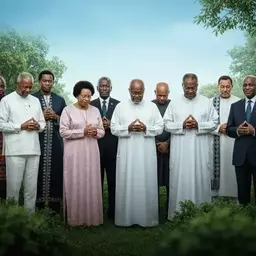
Prayer plays a vital role in shaping the landscape of political leadership. At the Presidential Prayer Watch, we fervently believe that prayer events serve as a spiritual foundation, setting the stage for deeper engagement between leaders and their communities. When leaders gather to pray, they open themselves up to divine guidance, fostering not only their own integrity but also creating a ripple effect that influences those around them.
These gatherings are more than rituals; they are unifying moments that remind leaders of their responsibilities. By centering their focus on prayer, they can cultivate a strong moral compass that guides their decision-making processes. Have you ever participated in a prayer event and felt the collective energy shift? It’s truly transformative! To learn more about how you can support leaders through prayer, consider praying for political leaders effectively.
Prayer events often serve as pivotal moments that connect spiritual and political leadership. They create opportunities for leaders to seek wisdom and strength from a higher power, which is especially crucial during turbulent times. Furthermore, these gatherings allow for an intentional pause in the hectic world of politics, fostering moments of reflection and humility.
By engaging in prayer together, leaders can reaffirm their commitment to serving their communities with integrity. This collective act not only nurtures their personal faith but also strengthens the fabric of society, fostering unity in a divided world.
Throughout history, figures like Daniel and King David exemplified the profound connection between prayer and political leadership. Daniel's faithfulness in prayer, even in the face of persecution, serves as a powerful reminder that leaders can draw strength and wisdom from their faith. Similarly, King David often turned to prayer during pivotal moments in his reign, seeking divine counsel to guide his decisions.
By examining these examples, we not only recognize the spiritual underpinnings of leadership but also draw inspiration for our own lives. As we look to the past, we can see how prayer continues to influence the present and shape the future of governance.
Prayer events have a profound emotional and spiritual influence on political leaders. As someone deeply invested in the act of intercession, I have witnessed firsthand how gatherings like the National Prayer Breakfast resonate with leaders, instilling a sense of purpose and character integrity. These moments of shared prayer can create a powerful atmosphere of hope, reminding leaders of their commitments to serve with compassion and honesty.
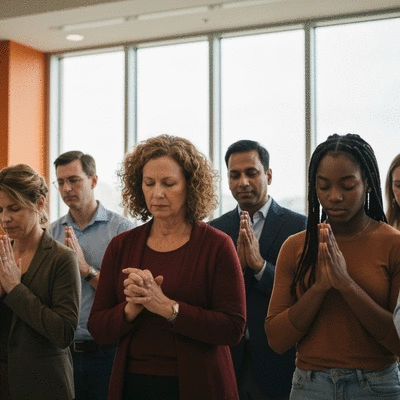
During these gatherings, leaders often find themselves connected not just with their faith but also with one another. The emotional weight of praying for wisdom, strength, and guidance transcends political lines and cultivates an atmosphere of mutual respect and understanding.
The emotional impact of prayer gatherings cannot be overstated. Leaders who participate frequently express feelings of renewed energy and purpose. This emotional resonance can lead to improved decision-making and increased empathy towards those they serve. In my experience, when faith is at the center of leadership, it encourages a culture of integrity. For more on this topic, explore how communal prayers impact the community.
By nurturing these emotional ties, prayer gatherings not only uplift leaders but also have the potential to transform political landscapes for the better. Together, we can create environments where leaders feel supported and empowered through the collective act of prayer.
Prayer is not just a personal practice; it can also be a strategic tool for political transformation. Many leaders utilize prayer as a means to align their governance with divine principles, seeking justice and peace in their communities. Within the framework of the Presidential Prayer Watch, we advocate for leaders to recognize the power of prayer in steering their policies towards a more just society.
When leaders actively engage in prayer, they open their hearts to the possibility of transformative change. This alignment with divine principles cultivates not only personal growth but also a collective sense of responsibility towards society.
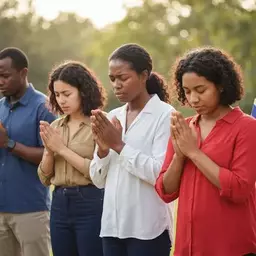
Prayer also plays an essential role in fostering community engagement through various faith-based initiatives. As we gather to pray, we create avenues for collaboration and support among different organizations and communities. The Presidential Prayer Watch provides resources that encourage individuals to come together, uplifting one another in prayer while supporting our leaders.
In these shared spaces of prayer and action, we can witness the power of faith in mobilizing communities towards positive change. Together, we amplify our voices, shining light on the importance of prayer in political contexts and inspiring others to join our mission.
Here's a brief recap of the key points discussed so far:
As we dive into the impact of prayer on political leaders, it's essential to recognize how prayer events serve as a vital support system for those in governance. These gatherings not only provide spiritual upliftment but also foster a sense of accountability among leaders. Through my experiences with the Presidential Prayer Watch, I have witnessed firsthand how collective prayer can transform the focus and intentions of those in authority.
Key findings indicate that prayer events often lead to enhanced decision-making capabilities among political leaders. They create an environment ripe for reflection and insight, allowing leaders to align their actions with the values they profess. This connection strengthens their resolve to serve with integrity and purpose. Have you ever considered how a simple act of prayer can ripple through decisions made at the highest levels?
In reflecting on the influence of prayer, it's clear that these events can significantly shape the governance landscape. As we continue to advocate for prayer in political contexts, let's remember the profound impact our intentions can have on the leaders shaping our nations.
For those interested in organizing or participating in prayer events with political leaders, thoughtful engagement is crucial. Here are some practical tips to ensure your involvement is impactful:
As I prepare for prayer engagements, I often remind myself that our collective voices during these events can create waves of change. Thoughtful participation not only uplifts leaders but also cultivates a culture of accountability and integrity within governance.
In our journey of fostering a culture of prayer, we must emphasize the importance of open dialogue surrounding prayer in politics. Creating space for respectful conversations can bridge divides and encourage mutual understanding. Here are some ways to promote this dialogue:
By nurturing these conversations, we help cultivate a culture where prayer can freely coexist with political discourse. It’s vital to keep the lines of communication open and promote understanding, ensuring that we remain united in our mission to support leaders through prayer.
Faith leaders play a crucial role in shaping political discourse and fostering community cohesion, especially through their involvement in prayer events. Their insights and advocacy can guide political conversations towards a more spiritually-informed perspective. Here’s how faith leaders contribute:
As I engage with leaders and communities through the Presidential Prayer Watch, I am reminded of the powerful influence faith leaders have in promoting a culture of dialogue and understanding. Their participation in prayer initiatives not only strengthens community ties but also enriches the political landscape with divine wisdom. To further understand this dynamic, consider exploring prayer strategies for spiritual leadership.
Here is a quick recap of the important points discussed in the article:
By Hannah M. Abara / Nov 22
By Hannah M. Abara / Nov 19
By Hannah M. Abara / Nov 15